Creating a custom hamper is an act of thoughtful gifting—it’s more than just bundling items; it’s curating an experience. Whether you are celebrating a new baby, honoring retirement, or simply saying "thank you," the perfect basket should feel effortless and luxurious. However, when faced with dozens of gourmet snacks, artisanal soaps, and specialty treats laid out on your counter, one question inevitably pops up: how much time do I need to assemble a custom hamper?
The honest answer is that it depends entirely on the scope of the project, your level of organization, and whether you count the initial planning time! Fear not. This comprehensive guide will break down the process, giving you realistic timelines so you can approach your gift-giving endeavor with confidence, rather than a sense of impending organizational doom.
Understanding the Variables: What Affects Assembly Time?
The assembly phase is far more nuanced than simply "dumping things into a basket." The time required shifts dramatically based on complexity and scale. Think of it like building a puzzle—the size and shape of the pieces determine how long it takes to complete the picture.
Deconstructing the Assembly Process
When we talk about assembling, we are measuring labor hours for several distinct tasks. Knowing these components helps you estimate accurately:

- The Unboxing/Inventory Phase: This is often underestimated. You have to count every item, check for damage, and ensure all packaging fits together cohesively. The Arrangement Phase (Styling): This involves arranging items aesthetically—placing bread baskets strategically, ensuring height variation, and making the entire piece look professional rather than haphazard. The Finishing Touches: Adding filler material (like shredded paper or crinkle cut excelsior), securing ribbons, and attaching personalized notes requires deliberate care.
The Impact of Hamper Complexity
Are you assembling a simple "spa treat" basket containing three items? Or is it a sprawling gourmet collection with twenty unique pieces, coordinating linens, ceramics, and delicate glassware? This difference is the biggest variable. A basic hamper might take 30 minutes; a truly elaborate luxury hamper can easily consume several hours of focused effort.
For instance, I once helped assemble a "new parents" hamper that included dozens of coordinated items—from organic baby wash to artisanal soaps and delicate treats. Initially, I thought it would be quick, but realized the coordinating linens alone required painstaking folding and placement. It was an absolute labor of love! This anecdote Hop over to this website proves that aesthetics can add substantial time, even if the actual physical effort is minimal. Are you willing to spend hours perfecting a gift just because it looks amazing?
Streamlining Your Workflow: Tips for Efficiency
The secret weapon against assembly delays isn't speed; it’s preparation. By treating the assembly process like an industrial design challenge, you can cut down on wasted movements and frustration.
Pre-Assembly Planning: The Secret Weapon
Before a single item touches a basket, dedicate time to planning. This initial investment of time pays dividends later.
- The Inventory Map: Create a checklist of every single item needed. Grouping similar items (e.g., all the soaps together, all the snacks together) prevents you from jumping around the room and restarting your thought process repeatedly. Visual Mock-ups: Lay out your chosen materials—the basket itself, the filler material, and all the packaging—on a large table first. This allows you to plan the spatial geometry of the final product before committing to assembly. The "Why" Check: Revisit your theme. If the hamper is for a gardener, every item should evoke that feeling. Keeping the purpose top-of-mind ensures that placement decisions are intentional and fast.
Tools and Workspace Setup
A cluttered workspace leads to a chaotic basket. Treat your assembly station like an artist’s studio: organized and functional.
- Designated Zones: Set up separate areas for each material type (e.g., Zone A: Hard goods; Zone B: Soft linens; Zone C: Filler). Hands-Free Tools: Keep necessary tools—scissors, tape measure, ribbon spools, etc.—within easy reach so you don't have to stop and hunt for them.
Consider this quote from Marie Kondo: "The magic happens when the intention is clearer than the action." In hamper assembly, your intention (the perfect look) must guide your actions efficiently.
The Final Polish: Making It Look Effortless
Once all the items are placed, the job isn't done. The final touches transform a pile of goods into a gift masterpiece. This stage is where many people mistakenly think they can rush, but it's crucial for the overall presentation.
Layering and Texture Mapping
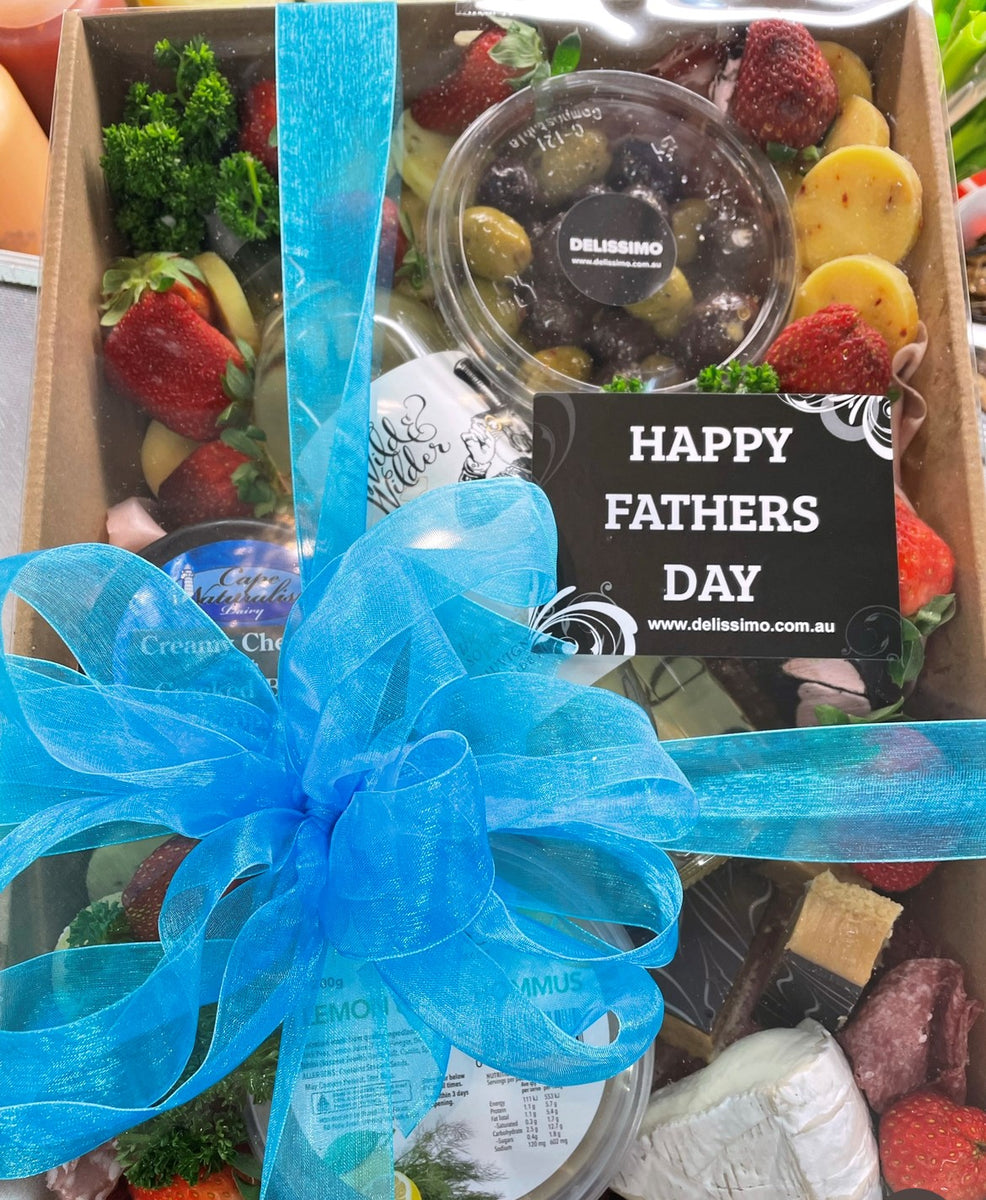
Think of your hamper like a symphony: every item should play its part, complementing the others. Use varying Executive Gift Set heights—placing shorter items in front of taller ones—to create depth. The contrast between textures (e.g., rough woven basket vs. smooth ceramic soap) makes the arrangement pop. This requires slow, deliberate placement.
Securing and Signing Off
Don't forget the structural elements!
- Filler Material: Use crinkle paper or shredded excelsior not just to fill empty space, but to act as a supporting base that elevates key items. The Ribbon Statement: The ribbon shouldn't just be tied around; it should incorporate the hamper itself, perhaps trailing artfully across the contents before being knotted with care.
If you approach these stages methodically—by breaking down the task into manageable chunks—the question of how much time do I need to assemble a custom hamper? becomes less about an endless stretch and more about focused effort. Is it truly going to be that difficult? You have all the tools and knowledge now!
Curating Joy: The Lasting Impression
Remember, the goal is not merely completion; it's conjuring joy. When you are finished, take a step back and admire your work. This moment of satisfaction—the perfectly styled result—is priceless.
The beauty of a custom hamper lies in its personalized narrative. It tells a story about the recipient, reflecting care, thought, and effort far beyond the monetary value of the goods inside. By mastering the workflow, you ensure that your time investment yields a magnificent return: a perfect, memorable gift.
Ready to create something beautiful? Start by gathering your list, mapping out your materials, and remembering that even though the process requires patience, the finished product will speak volumes about the thoughtfulness behind it.